
Last Updated: November 22, 2026
Quick Summary
To cater for guests with dietary restrictions, ask early and specifically using a written survey covering allergies, severity, and religious needs, then confirm one week before the event. Build menus around dishes naturally free of common allergens, label every dish, and confirm cross-contact prevention with your caterer in writing.
- Ask guests to confirm their dietary needs one week before the event, because plans change.
- Build menus in layers, starting with a base that suits nearly everyone, like rice bowls.
- Label every dish, even obvious ones, since guests with severe allergies avoid unlabeled trays.
- Ask whether allergen-free dishes use separate surfaces, utensils, and a dedicated fryer or oven.
- Never promise a dish is totally safe unless your caterer confirms it in writing.
Table of Contents
- How to Ask for Dietary Requirements on an Invite
- Inclusive Catering Menu Ideas for Mixed Dietary Needs
- Food Allergy Cross-Contact Prevention at Your Event
- Frequently Asked Questions
How to Ask for Dietary Requirements on an Invite
The most reliable way to plan catering for guests with dietary restrictions is to ask early, ask specifically, and ask twice.
A dietary restriction is any food a guest must avoid or needs, allergies, celiac disease, lactose intolerance, diabetes, vegetarian and vegan diets, and religious requirements. Treating them as one category is where plans fall apart.
Copy this survey into your invite or RSVP form:
Dietary Needs Survey
- Any food allergies? (List every one, including severity.)
- Vegetarian, vegan, or pescatarian?
- Gluten-free or dairy-free, celiac disease or preference?
- Any religious or cultural food requirements?
- Anything else, including texture or seasoning aversions?
Two questions matter most: severity and certainty. "Nut allergy, severe, carries an EpiPen" tells your caterer something completely different from "trying to eat less dairy." Ask guests to confirm one week before, because plans change.
For a deeper walkthrough, our complete guide to catering for dietary restricted events covers the full process.
Inclusive Catering Menu Ideas for Mixed Dietary Needs
The strongest inclusive menus are built around dishes naturally free of common allergens rather than special plates made as an afterthought. A build-your-own spread lets every guest assemble a full meal.
Build the menu in layers:
- A base that suits nearly everyone: rice bowls, roasted vegetable platters, wheat-free grain salads
- Two proteins, one plant-based: grilled chicken alongside seasoned chickpeas or lentils
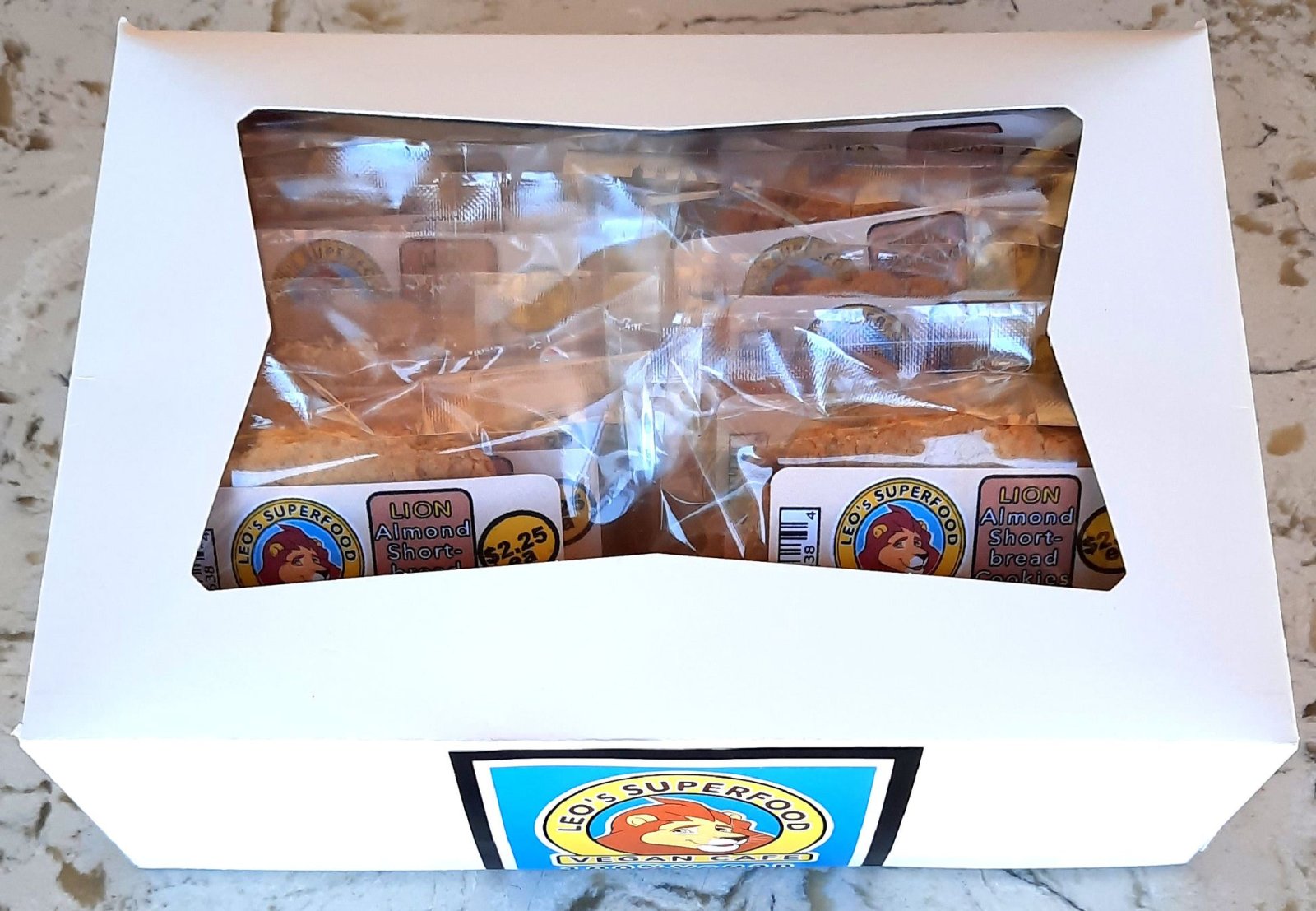
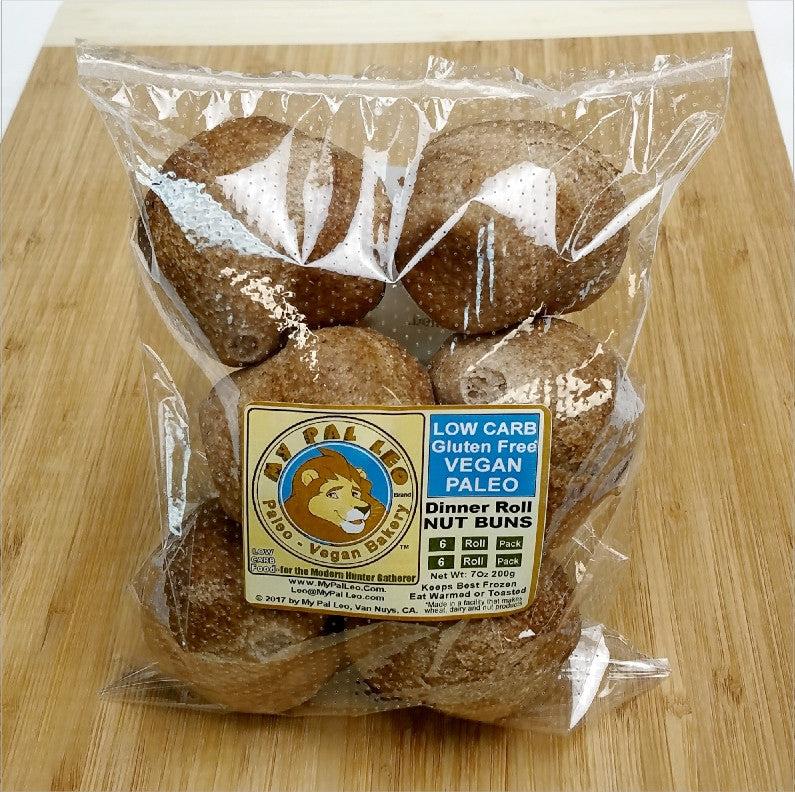
- A gluten-free starch: roasted potatoes, corn tortillas, or our Superfood Dinner Rolls ($2.25)
- Separate sauces and dressings: guests control what goes on their plate
- A dairy-free dessert: fresh fruit, sorbet, or a vegan cookie
For a fully plant-based spread, our celiac-safe catering menu includes breakfast items, pizza, bakery treats, and custom cakes made without dairy, wheat, or meat. Because our menu is entirely vegan and gluten-free, a guest with celiac disease and a guest who prefers plant-based food can eat from the same table. Browse our vegan and gluten-free catering for events to see a full booked spread.
One practical tip: label every dish, even the obvious ones. A guest with a severe allergy will not eat from an unlabeled tray, no matter how safe it looks.
Here is how the article suggests layering an inclusive menu so every guest can build a full meal.
| Menu layer | Examples |
|---|---|
| Base that suits nearly everyone | Rice bowls, roasted vegetable platters, wheat-free grain salads |
| Two proteins, one plant-based | Grilled chicken alongside seasoned chickpeas or lentils |
| Gluten-free starch | Roasted potatoes, corn tortillas, Superfood Dinner Rolls ($2.25) |
| Separate sauces and dressings | Guests control what goes on their plate |
| Dairy-free dessert | Fresh fruit, sorbet, or a vegan cookie |
Food Allergy Cross-Contact Prevention at Your Event
Cross-contact is the transfer of an allergen from one food or surface to another, and it is the single biggest risk at any catered event. A gluten-free bun toasted in the same oven as wheat bread is no longer gluten-free.
Ask your caterer three direct questions before booking:
- Are allergen-free dishes prepared on separate surfaces with separate utensils?
- Is there a dedicated fryer or oven for gluten-free items?
- Will staff change gloves between handling different dishes?
For buffet service, request that serving utensils stay with their dish and that allergen-free items sit apart from crumb-heavy breads.
If you are planning around celiac disease specifically, our guide to celiac-safe and dairy-free dining explains how a dedicated kitchen changes the equation. To ask us directly, our contact page has our address, phone number, and hours.
Watch out: never promise a guest a dish is "totally safe" unless your caterer has confirmed it in writing. Overpromising is how well-meaning hosts end up with a medical emergency.
Planning an event with a mix of dietary needs does not have to mean a plate of plain vegetables for half your guest list. LeosSuperfood runs a 100% vegan and gluten-free kitchen in Northridge, with a dedicated celiac-safe space, custom cake services, and catering for events across the Valley. Tell us your guest count and their restrictions, and we will build a spread everyone can eat from.
Frequently Asked Questions
How do you ask guests about dietary restrictions on an invitation?
Add a short line to the RSVP asking guests to share any food allergies, intolerances, or dietary preferences, and give examples so people know what counts, such as gluten-free, vegan, or nut-free. A checkbox list plus a free-text box works better than an open question because it prompts people who might otherwise stay quiet. Ask for responses by a clear deadline so your caterer has time to plan, and follow up personally with anyone who flags a severe allergy.
How do you prevent cross-contact when catering for guests with allergies?
Ask your caterer how they handle food allergy cross-contact prevention before you book. Look for separate prep areas, dedicated utensils and serving tools, and labels on every dish. At buffet service, keep allergen-free items at their own station with their own tongs, and ask staff to change gloves between dishes. For a severe allergy, request a plated meal prepared and plated separately rather than scooped from the buffet line.
What should you include on a dietary restriction form for events?
A good dietary restriction form for events captures the guest's name, the specific restriction, and how serious it is. Separate allergies from preferences, since a nut allergy needs different handling than a dislike of mushrooms. Ask about celiac disease, dairy-free and gluten-free needs, vegetarian and vegan diets, and any religious or cultural food requirements. Include a contact field so you or your caterer can confirm details before the event.
