
Table of Contents
- Understanding Common Dietary Restrictions and Preferences
- Collecting Guest Dietary Requirements: Using a Dietary Restriction Form for Events
- Food Allergy Catering for Events: Safety and Service
- Frequently Asked Questions
Last Updated: October 7, 2026
Understanding Common Dietary Restrictions and Preferences
Dietary restrictions are the reality for most guest lists. Vegan, vegetarian, gluten-free, dairy-free, and nut-allergy accommodations are standard, the challenge is accommodating them without turning your menu into a patchwork of separate meals.
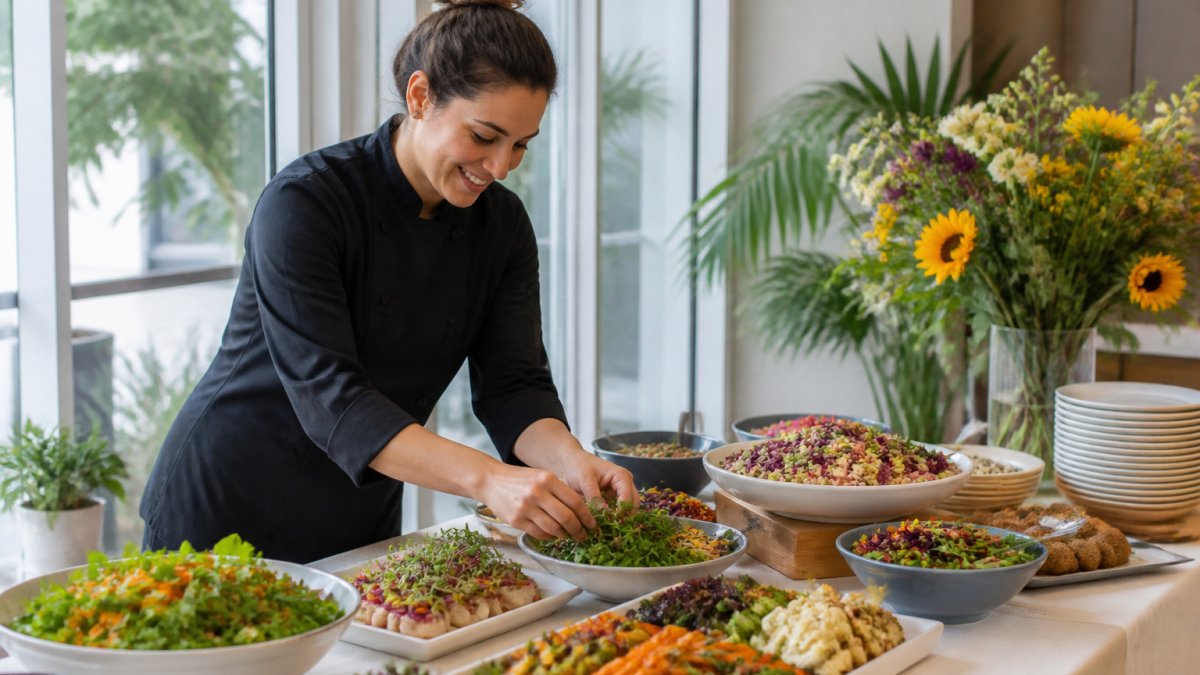
Know the categories: vegetarians exclude meat and fish but eat dairy and eggs; vegans avoid all animal products; gluten-free diners avoid wheat, barley, and rye, where cross-contact matters enormously; dairy-free and lactose-free aren't identical; nut allergies range from mild to life-threatening; and kosher and halal add another layer.
Many restrictions overlap: a vegan menu covers some vegetarian needs, and gluten-free options suit celiac disease or gluten sensitivity. Plan inclusively from the start.
Collecting Guest Dietary Requirements: Using a Dietary Restriction Form for Events
The most common mistake planners make is assuming they know what guests need. Ask directly, early, and in writing.
Send your dietary restriction form with the RSVP. Ask guests to select from a list, vegan, vegetarian, gluten-free, dairy-free, nut allergies (specify which nuts), shellfish, soy, or other, plus a notes field.
Collect responses at least two weeks before your event so your caterer can plan, source ingredients, and adjust portions. When LeosSuperfood handles event catering, we ask for dietary details upfront so we can customize our menu and ensure every guest feels included.
Set a firm deadline to prevent endless revisions and give your caterer a solid final count. Keep responses confidential and share only aggregated data with your catering team.
Food Allergy Catering for Events: Safety and Service
Food allergies aren't preferences, they're medical emergencies. Treat a nut allergy like the life-or-death situation it is.
Cross-contact is the hidden danger: a nut-free dish prepped on the same cutting board or cooked in shared oil can trigger a reaction. Your caterer needs dedicated prep surfaces, separate utensils, and clear protocols, ask directly, and if they're vague, find someone else.
Label every dish with clear cards naming ingredients and allergens. "Gluten-free pasta, prepared in dedicated equipment, contains sesame seeds" beats a bare "gluten-free pasta", people with severe allergies read labels obsessively.
For severe allergies, serve pre-plated meals instead of a buffet, controlled prep and clear labeling eliminate most cross-contact risk. This approach also works beautifully for catering for dietary restricted events because you control portion sizes and ingredient quality.
| Dietary Need | Key Precaution | Service Style |
|---|---|---|
| Nut allergies | Dedicated prep surfaces, ingredient verification | Pre-plated or clearly labeled buffet |
| Gluten-free | Separate utensils, no shared cooking oil | Labeled dishes, dedicated prep area |
| Vegan | No animal products in any ingredient | Clear labeling of all components |
Planning an event where everyone feels welcome starts with taking dietary needs seriously. At LeosSuperfood, we create inclusive menus where vegan, gluten-free, and allergen-friendly options taste genuinely delicious, not like an afterthought. When you're catering for dietary restricted events, guests notice the difference between a meal that accommodates them and one designed for them. Order From Our Bakery and experience how thoughtful catering brings people together.
Frequently Asked Questions
What should you include in a dietary restriction form for events?
Your form should ask guests to identify dietary restrictions, allergies, and preferences clearly. Include checkboxes for common needs like vegan, vegetarian, gluten-free, dairy-free, and nut allergies, plus a text field for details. Ask about severity (preference vs. medical necessity) to help your caterer prioritize safety measures. Collect responses at least two weeks before your event to give the caterer adequate planning time.
How can you prevent cross-contact when serving meals with food allergies?
Cross-contact happens when allergens transfer between foods during preparation or service. Ask your caterer about separate prep surfaces, dedicated utensils, and handwashing protocols. During service, use separate serving utensils for each dish and clearly label all items with allergen information. Consider plated service instead of buffets for high-risk allergies, and keep allergen-free meals physically separate from other dishes.
How do you plan an inclusive menu for guests with dietary restrictions?
Start by analyzing your guest dietary data to identify the most common needs. Build a base menu with naturally plant-based and gluten-free options that appeal to everyone, not afterthought substitutes. Offer variety: include vegan and gluten-free versions of main dishes, sides, and desserts. Ensure meals are flavorful and satisfying so all guests feel included, not accommodated as an exception. Many caterers, including those specializing in vegan and gluten-free preparation, can create menus that work for mixed groups.