

Table of Contents
- The Key Difference Between 100% Gluten-Free and Gluten-Friendly Restaurants
- Questions to Ask Restaurants About Gluten-Free Food Preparation
- Using a Gluten-Free Restaurant Dining Card and Preparation Practices
- Frequently Asked Questions
Last Updated: October 11, 2026
The Key Difference Between 100% Gluten-Free and Gluten-Friendly Restaurants
A 100% gluten-free restaurant operates a dedicated kitchen where no wheat, barley, or rye ever enters, with every utensil and surface reserved exclusively for gluten-free prep, the gold standard among gluten-free restaurants. A gluten-friendly restaurant serves gluten-free options alongside regular items using shared equipment, creating a fundamentally different cross-contact risk.
At LeosSuperfood, we operate as a fully dedicated 100% gluten-free establishment, so when you order, you're not risking accidental exposure from shared equipment.
Here's what separates the two approaches:
| Aspect | 100% Gluten-Free Restaurant | Gluten-Friendly Restaurant |
|---|---|---|
| Kitchen Setup | Dedicated, no wheat ever enters | Shared kitchen with both gluten and gluten-free prep |
| Cross-Contact Risk | Minimal to none | Higher, especially with shared fryers and utensils |
| Staff Training | Intensive focus on celiac safety | General allergen awareness |
| Best For | Celiac disease sufferers | Gluten sensitivity, preference, or mixed-diet groups |
| Equipment | All dedicated to gluten-free prep | Shared equipment cleaned between uses |
Questions to Ask Restaurants About Gluten-Free Food Preparation
Ask these questions before dining at gluten-free restaurants to understand whether you're in a dedicated space or sharing equipment with wheat-based dishes.
Ask about dedicated equipment: Do you have a dedicated fryer and prep surfaces used only for gluten-free food? Shared fryers are a major cross-contact risk since oil absorbs gluten particles. Ask about staff training: Has your team received formal celiac disease training? Ask about ingredients: Are sauces, seasonings, and pre-made items verified gluten-free, since hidden gluten hides in soy sauce and marinades?
Ask about the menu: Can you show me your gluten-free menu and ingredient list? If they hesitate, that's a red flag. Ask about cross-contact protocols: What steps prevent cross-contamination, separate cutting boards, hand washing, dedicated utensils?
Using a Gluten-Free Restaurant Dining Card and Preparation Practices
A gluten-free dining card communicates your celiac needs clearly to staff, explaining the condition and asking specific questions about food preparation.
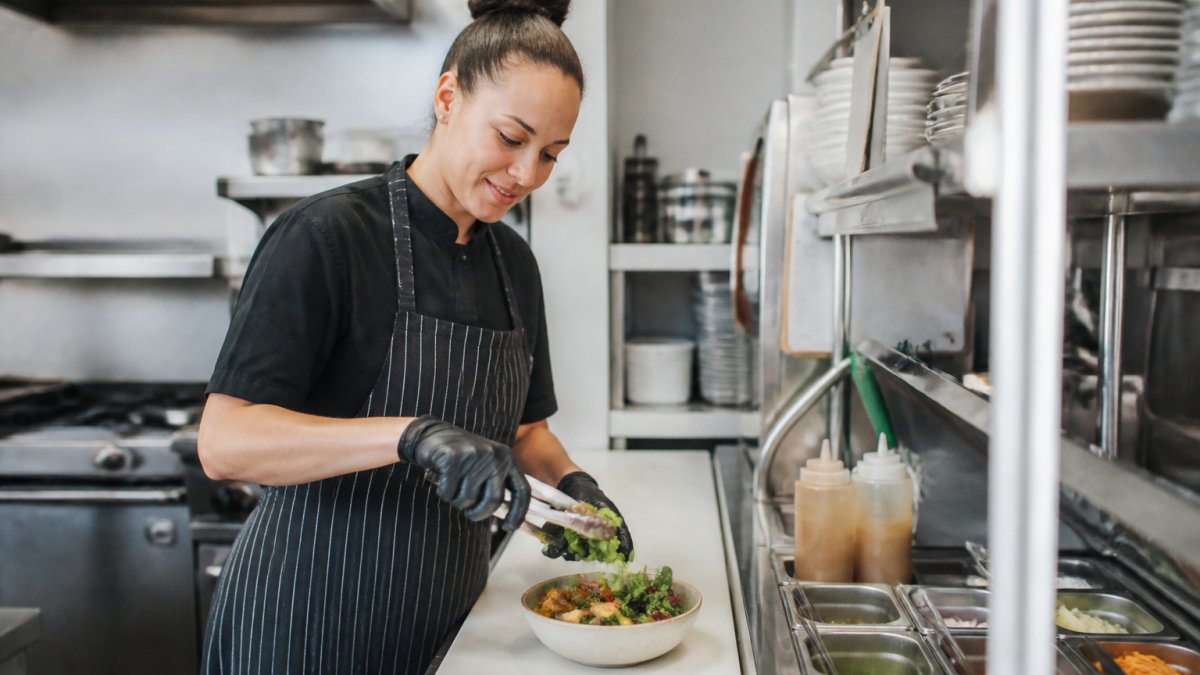
When you hand a dining card to your server, the kitchen staff sees in writing that this is a medical need, not a preference, and understands that cross-contamination causes real harm.
The best dining cards include your name, a clear explanation of celiac disease, and specific questions about preparation: "Is this dish prepared in a dedicated gluten-free area? Are separate utensils used?" A good restaurant answers without hesitation.
At LeosSuperfood, we've built our entire operation around the premise that gluten-free dining should never feel risky or like an afterthought. Our dedicated kitchen, trained staff, and commitment to celiac-safe practices mean you can order with confidence. Explore our menu of plant-based, gluten-free options, from breakfast to custom cakes, and experience food that nourishes without compromise. Order from our bakery today and taste the difference a truly dedicated kitchen makes.

Frequently Asked Questions
What is the difference between a 100% gluten-free restaurant and a gluten-friendly restaurant?
A 100% gluten-free restaurant prepares all menu items without gluten and uses dedicated equipment, prep surfaces, and utensils to prevent cross-contact. A gluten-friendly restaurant offers gluten-free options but may prepare them in a shared kitchen with other foods containing gluten. For people with celiac disease, 100% gluten-free restaurants provide safer dining because the entire operation is designed around gluten prevention, not just individual menu items.
Are gluten-friendly restaurants safe for people with celiac disease?
Gluten-friendly restaurants carry higher cross-contact risk because they use shared kitchens, shared fryers, and shared prep surfaces. Even small traces of gluten from shared equipment can trigger a reaction in people with celiac disease. If you have celiac disease, 100% gluten-free restaurants with dedicated kitchens are the safer choice. Always ask specific questions about food preparation practices before dining at a gluten-friendly establishment.
What questions should I ask a restaurant about its gluten-free food preparation?
Ask whether the kitchen is 100% gluten-free or if gluten-free items are prepared in a shared kitchen. Inquire about dedicated equipment, utensils, and prep surfaces. Ask if staff receive training on cross-contact prevention and gluten handling. Find out how ingredients are sourced and whether they verify suppliers. Request details about shared fryers or toasters. Ask if the restaurant can accommodate your specific dietary needs and if they use a gluten-free dining card or protocol to communicate your requirements to the kitchen.